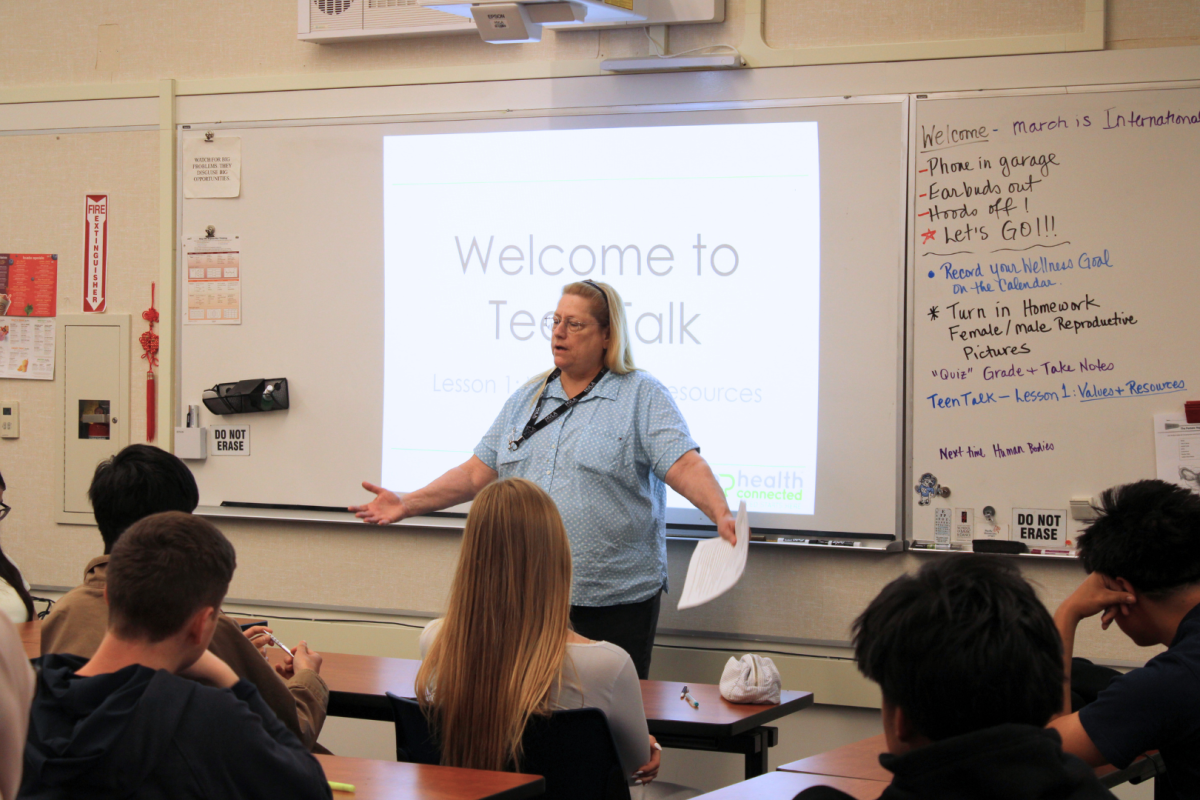




At the end of last school year, tears flowed freely in Ethnic Studies teacher Roger Kim’s classroom — not from frustration or stress — but from students seeing their own identities represented in a social studies class. But starting next year, that class will be cut in half, from a yearlong course today to a semester-long one next fall. With the Mountain View-Los Altos School Board’s recent decision to shorten Ethnic Studies, debates about its effects have emerged.
Among the many concerns, teachers and students worry that shortening the course will take away from long-term community building, depth of learning, curriculum development and pose job insecurity.
Background
Ethnic Studies — the concept of the class — was created in 1969, after students of color advocated for increased representation of their cultural histories and experiences in curricula in the 1960s. After a five-month strike, San Francisco State University was the first institution to add the course, and colleges and high schools across the country followed.
According to several Ethnic Studies teachers, increasing demand from the LAHS community, paired with the incoming state mandate for the class as a graduation requirement, prompted the Board to create a yearlong course in the 2023–24 school year.
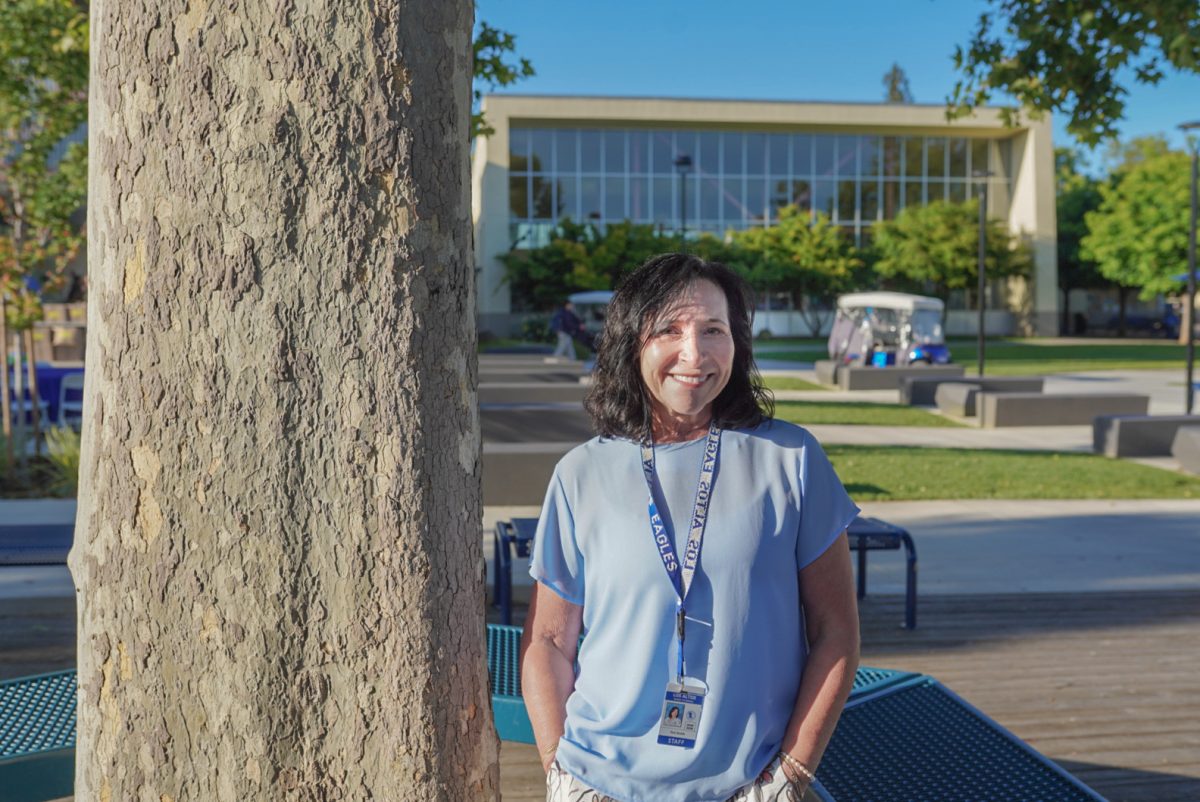
“The goal was to receive a more robust, accurate and applicable education,” Ethnic Studies teacher Katie Kim said.
Initially, criticisms from the community arose regarding the course’s difficulty and value, with 48% of ninth graders finding the course adequately challenging in a 2025 district-wide poll. This prompted teachers to incorporate social studies techniques that would prepare students for future history courses.
“I firmly believe that Ethnic Studies is rigorous and demanding,” Roger Kim said. “It teaches a lot of history — it’s just a different history.”
Ethnic Studies covers seven units throughout the school year, each highlighting a specific key principles. According to the Board, the goal of the course is to make connections between students’ social and cultural experiences.
“We were looking at murals in the Mission District of San Francisco,” Katie Kim said. “With these symbols of Latino culture, I had some students who recognized that; I don’t think I have had that moment with a kid in world history.”
Katie Kim added that the course is meant to prepare students with skills to analyze historical documents, express ideas and cultural competency.
“It is not my job to tell them how to think,” Katie Kim said. “I tell them from day one, ‘I invite you to be critical of me, to ask me questions.’”
Classroom Community
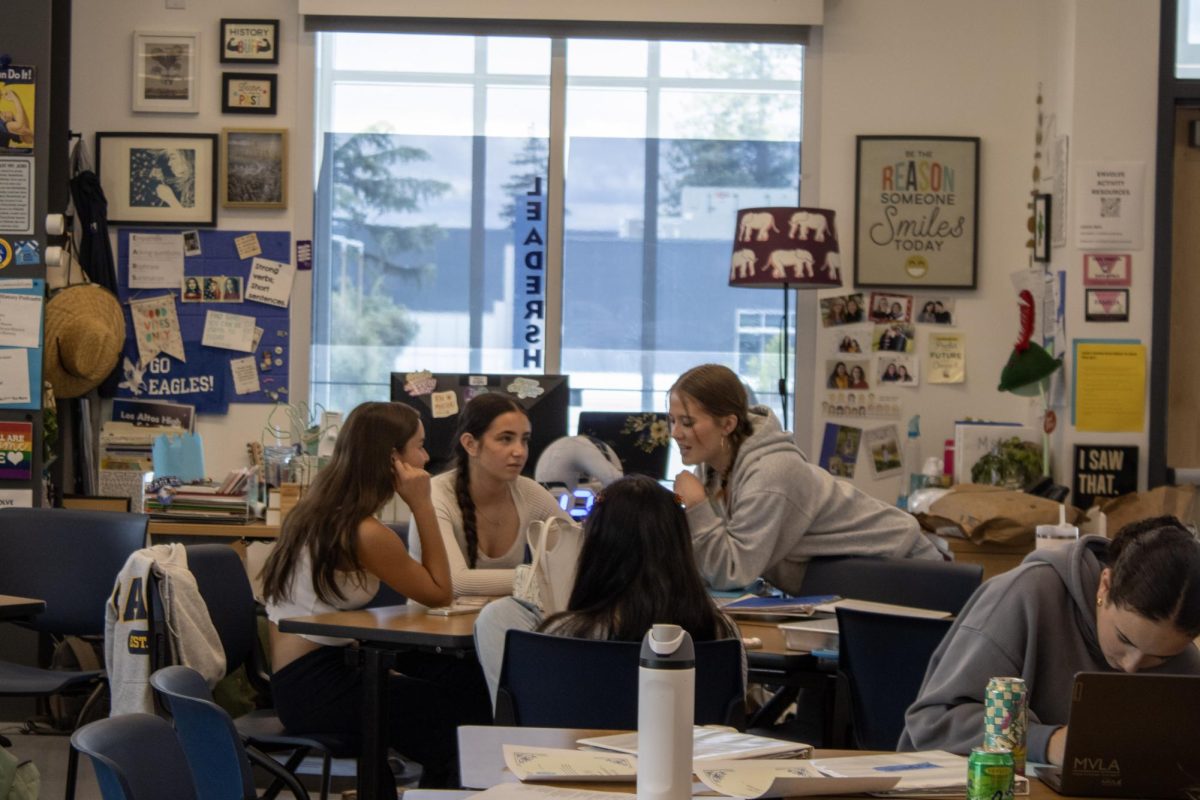
Ethnic Studies emphasizes community by centering curriculum on culture and identity, allowing students to have more vulnerable conversations, according to Roger Kim. At the end of the school year, Roger Kim’s students brought in something important to them to share as an opportunity to be open.
The course shines light on many aspects of students’ identities, including those of groups historically underrepresented in the history classroom. By highlighting the differnet experience of students, the curriculum expands beyond the dominant narrative, which affirms less discussed identities.
“I’ve seen personally, especially students of color and LGBTQ+ students, who have really benefited from the course,” Roger Kim said. “To see themselves in it, and to see their experiences in it, it’s been really life-changing for them; they’ve never experienced it before.”

Since 2022, the curriculum has evolved significantly, improving based off feedback from students collected in a survey in 2025 with students reporting higher rates of engagement, rigor and representation. Teachers said that reducing the class to semester-long jeopardizes that progress.
“All the work that teachers put into building the class and teaching it, and now there’s more work to pare down the course,” Roger Kim said.
Teacher and Student Responses
Without that same year-long course, some students fear they’ll lack the opportunities to become comfortable and grapple with the more difficult subjects of the class, such as the experience of oppression against certain identities.
“Having less time to connect with people and explore different perspectives will definitely be a consequence of a semester-long Ethnic Studies,” former Ethnic Studies student senior Sophie Yung said.
Other students said they see the course as less rigorous, viewing the reduction as a way to cover the same content in a shorter period of time.
“I feel like we could have gotten over all the content over a semester,” former Ethnic Studies student junior Yulianna Auqui said. “Although Ethnic Studies will be taken less seriously because it’s not a full class.”
“Shortening the course will not change people’s opinion that it isn’t worth their time,” former Ethnic Studies student senior Mar Selikhanovich said. “Instead, looking at different topics within Ethnic Studies could help shift the perspective many students and parents have on it.”
Beyond the work to pare down the course, reducing the class length also reduces the number of teachers needed, sparking concern about job security. According to Roger Kim, the lack of clarity on what the corresponding semester class will be makes it worse.
“We don’t have answers yet,” Roger Kim said. “That’s been really tough on our department.”
Given the high demand for positions at LAHS, teachers view every member of the Social Studies Department as qualified and essential for the program.
“It would be really sad to lose anybody in this department,” Katie Kim said. “I think the people are really excellent, and work extremely hard.”
Ethnic Studies will remain a required semester-long course for the next school year. For teachers, the goal is to make the best use of the time and teach the skills students need.
“My hope is that as time goes on, these freshmen take the experiences they’ve had in Ethnic Studies, and see the benefits,” Katie Kim said.