


Hurricane Melissa Hits the Caribbean
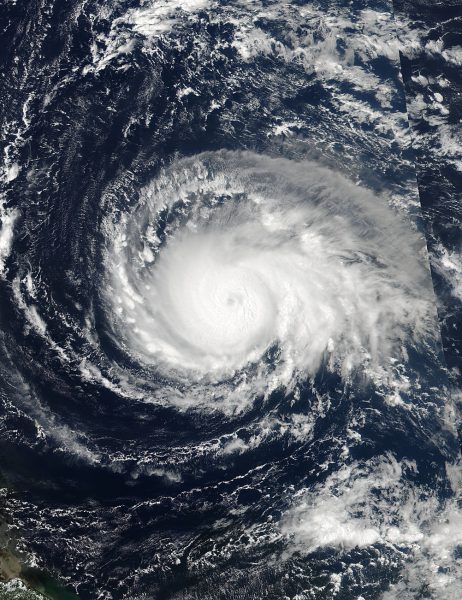
Hurricane Melissa struck and devastated southwestern Jamaica Oct. 28. Peak winds were near 185 miles per hour with a central pressure of around 892 millibars, making the Category 5 storm the seventh-strongest hurricane to ever hit the Atlantic. Landfall near the New Hope region caused significant structural damage, as well as road flooding and power outages. The St. Elizabeth parish was also among the hardest-hit areas.
After crossing Jamaica, Melissa landed again in Eastern Cuba Oct. 29, as a Category 3 Hurricane. Maximum winds sustained near 120 mph. The hurricane later accelerated northeast and passed Bermuda overnight Oct. 30 to 31, with the Bermuda Weather Service estimating a close point of approach near 140 miles.
As of Nov. 3, authorities reported at least 32 deaths in Jamaica. The hurricane resulted in power loss affecting up to 77% of Jamaican customers at one point. More than 130 shelters opened, and the country faced major transportation and communications outages. Early estimates put insured losses to Jamaican property between $2.2 to $4.2 billion. Cuba initially reported no fatalities after evacuating roughly 735,000 people in the east.
The overall death toll nears 49, including 25 in Haiti.
Pakistan-Afghanistan Clashes Disrupt Ceasefire
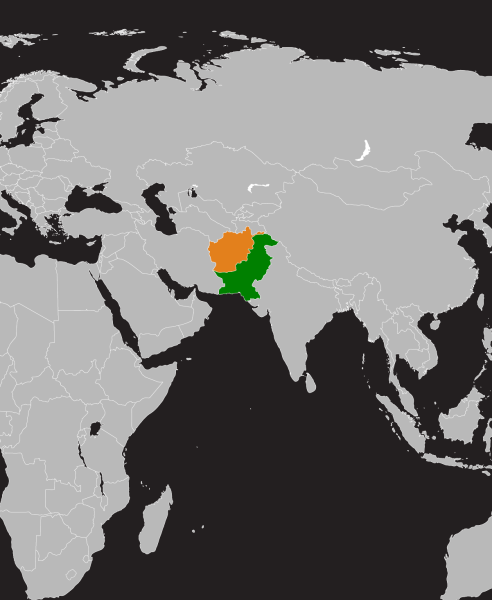
Pakistan closed a major crossing with Afghanistan starting Oct. 12, following heavy cross-border firing, including Pakistani airstrikes. Border intersections of Torkham and Chaman remained shut for trade as trucks remained stuck on approach roads. Pakistan briefly allowed thousands of stranded Afghan refugees to return to Torkham Nov. 1, via a short ceasefire arranged with mediation from Qatar and Turkey.
Nov. 6, Afghan officials accused Pakistan of firing across the border, reporting civilian areas being hit. The next day, Pakistan said the negotiations were “deadlocked,” and both governments said the talks had ended. Pakistan said that they want the Afghan government to act against Tehreek-e-Taliban Pakistan militants, which it allege are housed in Afghanistan. Afghanistan denies housing these militants. Pakistan says the ceasefire will last only if there are no attacks on Afghan soil.
Afghanistan and Pakistan have both issued casualty figures from October that the other country disputes. Afghanistan has claimed 58 Pakistani soldiers were killed, while Pakistan has stated it lost 23 soldiers and that more than 200 Taliban fighters were killed.
The Ongoing Louvre Heist Investigation

One hundred million dollars’ worth of jewelry was stolen from France’s Louvre Museum on Oct. 19, in broad daylight. Four individuals were directly involved; two robbers cut through a window on the museum’s second floor and pulled nine pieces of jewelry out of the Apollo Gallery, while the other two accomplices waited outside to help them escape on motor scooters. Both visitors and museum attendants were in the gallery when the theft took place.
Currently, all four have been charged and incarcerated with the help of DNA samples found at the crime scene. Two were accused of actually grabbing the jewelry, the third of assisting the getaway and the fourth of complicity in the crime. All suspects were also charged with criminal conspiracy.
Eight pieces of sapphire and emerald jewelry, as well as a tiara and brooch worn by the wife of Napoleon III, were stolen. The ninth piece was dropped and disfigured; however, Louvre staff assures the public that it can be restored. So far, none of the items that were taken have been recovered.
The Supreme Court temporarily pauses SNAP funding
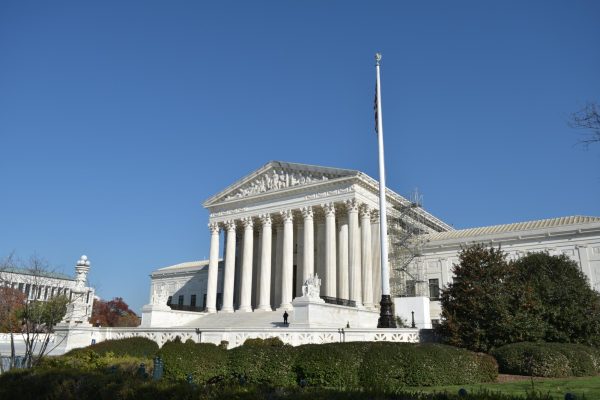
The Supreme Court ruled that full benefits of the Supplemental Nutrition Assistance Program (SNAP) would be temporarily halted. The White House appealed to the Supreme Court after a Rhode Island judge ordered that SNAP funding be fully paid by Nov. 7.
Annually, SNAP provides food stamps to over 42 million low-income Americans. The program costs around $9 billion monthly, which the Trump administration argued that it could only partially fund amid the government shutdown.
Rhode Island District Judge John McConnell accused the Trump administration of withholding food aid “for political reasons.” According to McConnell, without funding, 16 million children risk going hungry. The Supreme Court’s ruling meant that $4 billion in benefits would be temporarily withheld. Some states used their own budgets to fund the program, but many others could not.
California was one of the states that initially filed the lawsuits against the Trump administration over its refusal to fund SNAP benefits. Around 5.5 million Californians use the program and saw their benefits restored immediately after McConnell’s ruling.
On Nov. 12, the government shutdown ended after President Donald Trump signed a bill passed in Congress. The legislation will restore full SNAP benefits in November and calls for the reimbursement of state governments that used their funds to run federal programs.
This article was accurate as of Friday, Nov. 14.