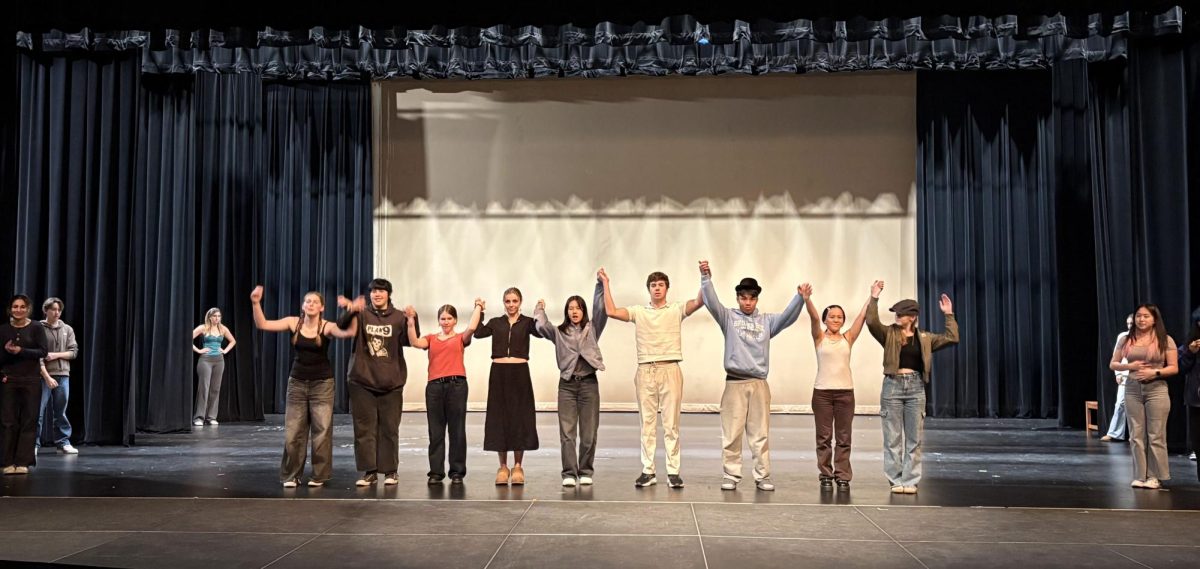


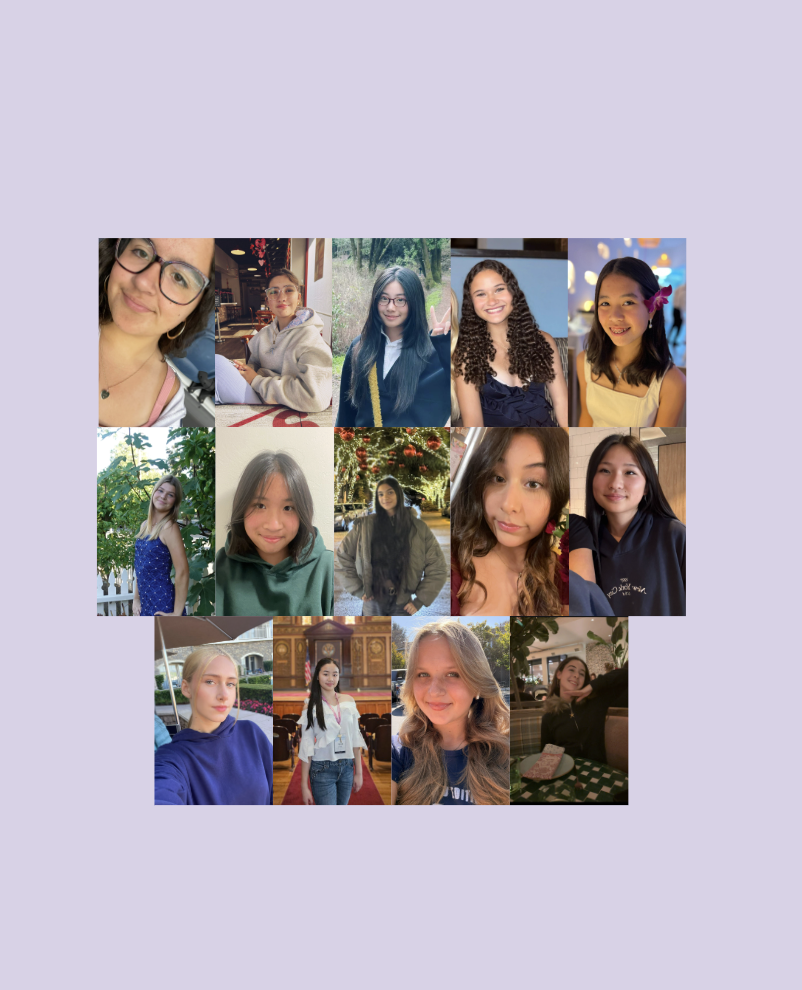
Fourteen freshmen will perform their original poetry during ACT in the Eagle Theatre this Friday for Los Altos High School’s 13th annual Freshman Poetry Battle. The competition is organized by Survey Composition & Literature teachers Lisa Battle and Jennifer Eneriz, MC’d by Jonathan Kwan and will be judged by English teacher Carrie Abel Shaffer, sophomore Ishika Anand and senior Caila Kim. Students are encouraged to attend and make an appointment under Kwan’s name in Minga.
Below is an introduction to the freshman poets and their pieces:
All poem descriptions are paraphrased from interviews with the contestants.
Daisy Corpos – “The Big Orange”
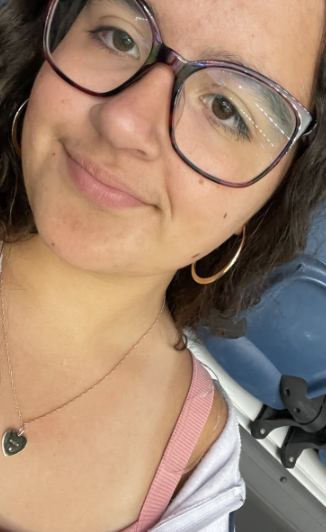
“The Big Orange” is a protest poem expressing Daisy’s view of President Donald Trump and why she said she thinks he is unfit to lead the country.
Emma Dutra – “A Girl Without A Voice”
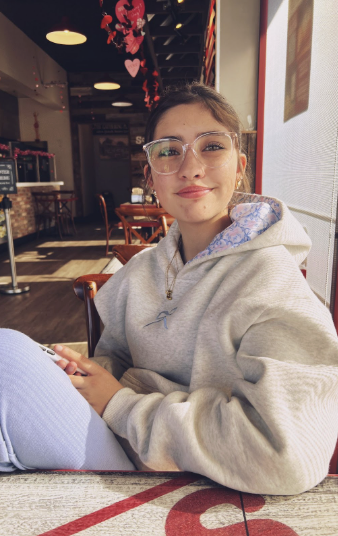
“A Girl Without A Voice” is a personification poem about not feeling heard or seen, thus being unable to express one’s true feelings.
Sumi Fang – “My childhood swing”
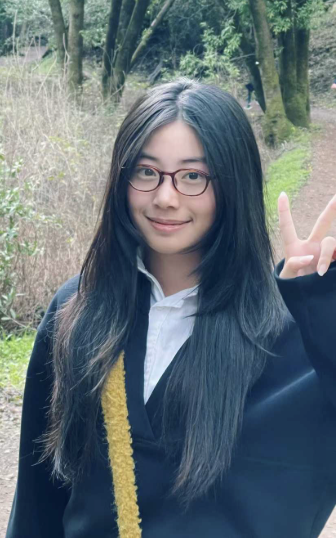
“My childhood swing” uses swings to symbolize childhood freedom and innocence, where gravity, limits and unhappiness don’t exist. The halt of the swing marks a loss of innocence and the acceptance of reality that comes with maturing.
Emma Guillory – “Decoration”
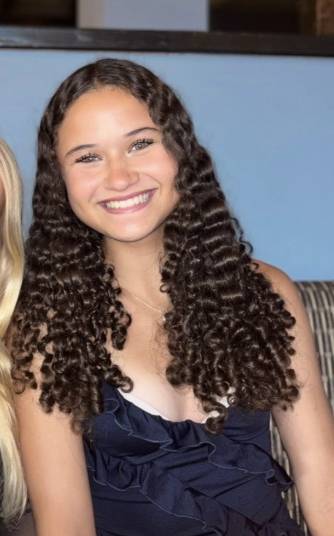
“Decoration” is about racism and the struggles of being a person of color in America. Using a metaphor of stars throughout the poem, Emma writes about societal expectations, current events and anger.
Claire Hash – “Consumed”
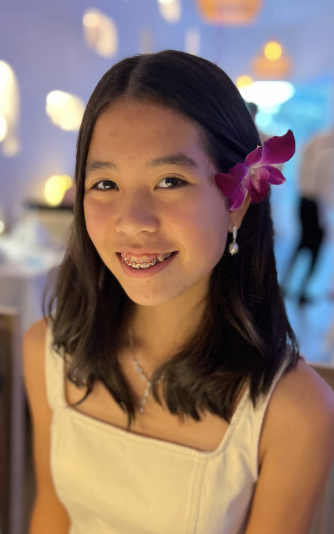
“Consumed” describes the hidden effects of consumerism on the modern world. It emphasizes how social media pushes users to constantly buy clothes and other products, endorsing overconsumption and waste.
Mia Jones – “Imperfect mold”
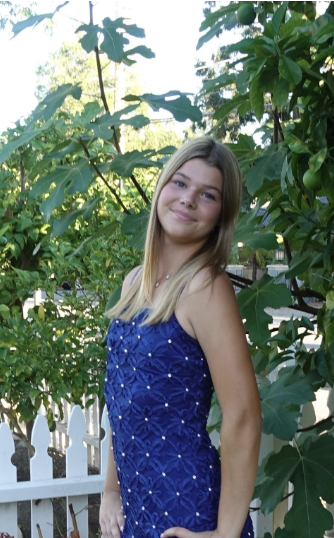
“Imperfect mold” criticizes impossible beauty standards, personal insecurities and the idea of a perfect appearance set by dolls such as the famous Barbie.
Phuong Le – “Heavy Hands”
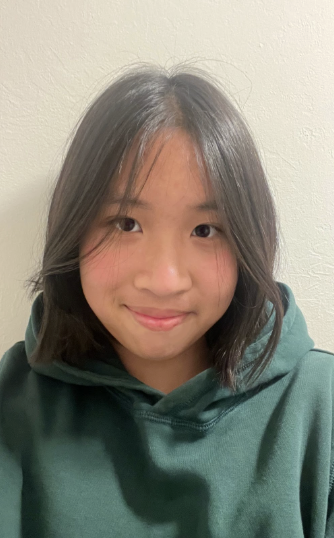
“Heavy Hands” warns of the consequences of pushing yourself too hard, and how undoing mistakes has its limit — but despite that, you can still find value in what remains after making a mistake.
Amaira Mittal – “Enough To Say”
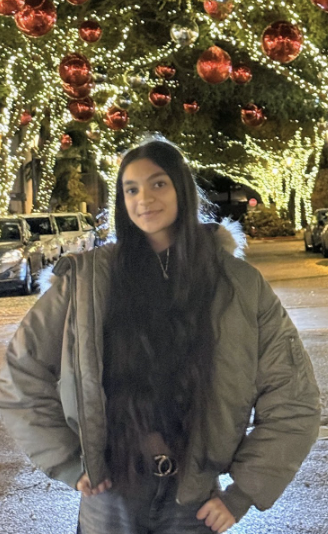
“Enough To Say” discusses how people often struggle to make their own decisions due to restrictions and expectations that other people have already placed for them.
Gissel Plantillas – “American Nightmare”
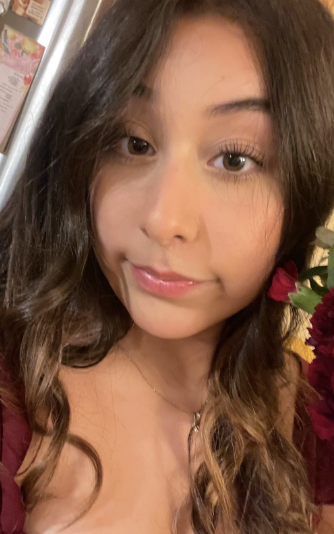
“American Nightmare” discusses the struggles and stereotypes immigrants face surrounding deportation. Gissel draws on her personal anger as a daughter of immigrants.
Hillary Song – “Why I don’t listen”
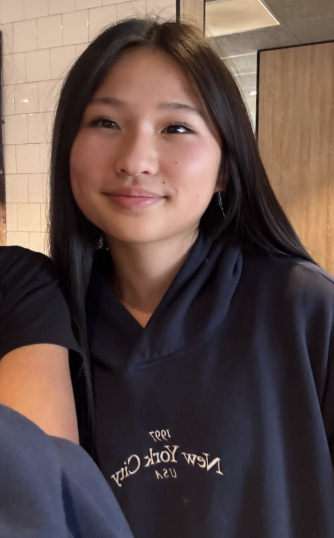
“Why I don’t listen” makes historical references to women who have challenged stereotypes, showing how defiance creates change and progress for those who historically have been prevented from reaching their full potential.
Tea Tetruashvili – “Why War”
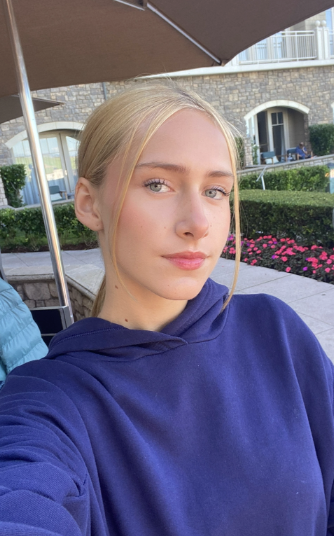
“Why War” shows the cruel reality of war and its effect on civilians’ lives. Having moved from Ukraine, Tea draws from her personal experiences and criticizes world leaders for starting wars.
Heidi Wang – “To Dissect a Heart”
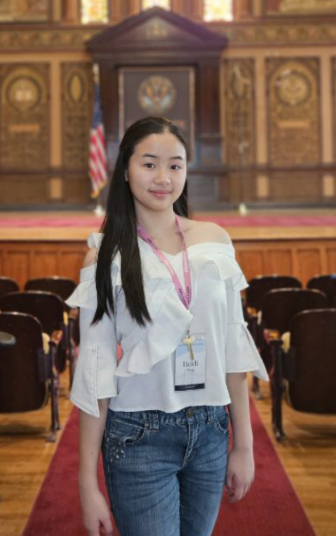
“To Dissect a Heart” questions why people grow in such diverse ways despite beginning with the same anatomy. Using a dissected heart as a symbol for human change, Heidi suggests that cruelty and kindness originate from what life cuts into us, not from how we start.
Lena Wlodarska – “The Wall”
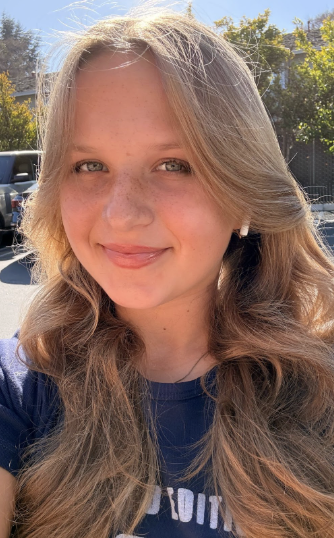
“The Wall” discusses the unrealistic expectations people place on others and the exhaustion of trying to meet those expectations to please those around them.
Mye Zuckerman – “Why life is like steering a canoe”
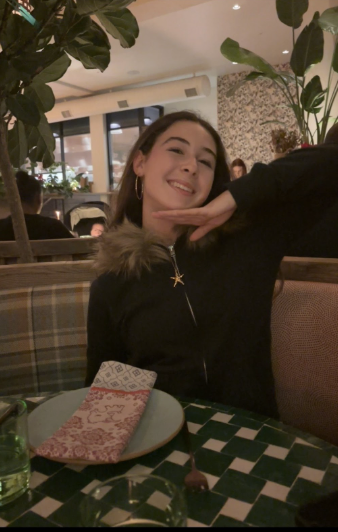
“Why life is like steering a canoe” uses a canoe as an extended metaphor for navigating life and the anxiousness that comes with it, especially when it may seem like everyone else has their life figured out. Mye eventually concludes that you can’t control everything life throws at you.